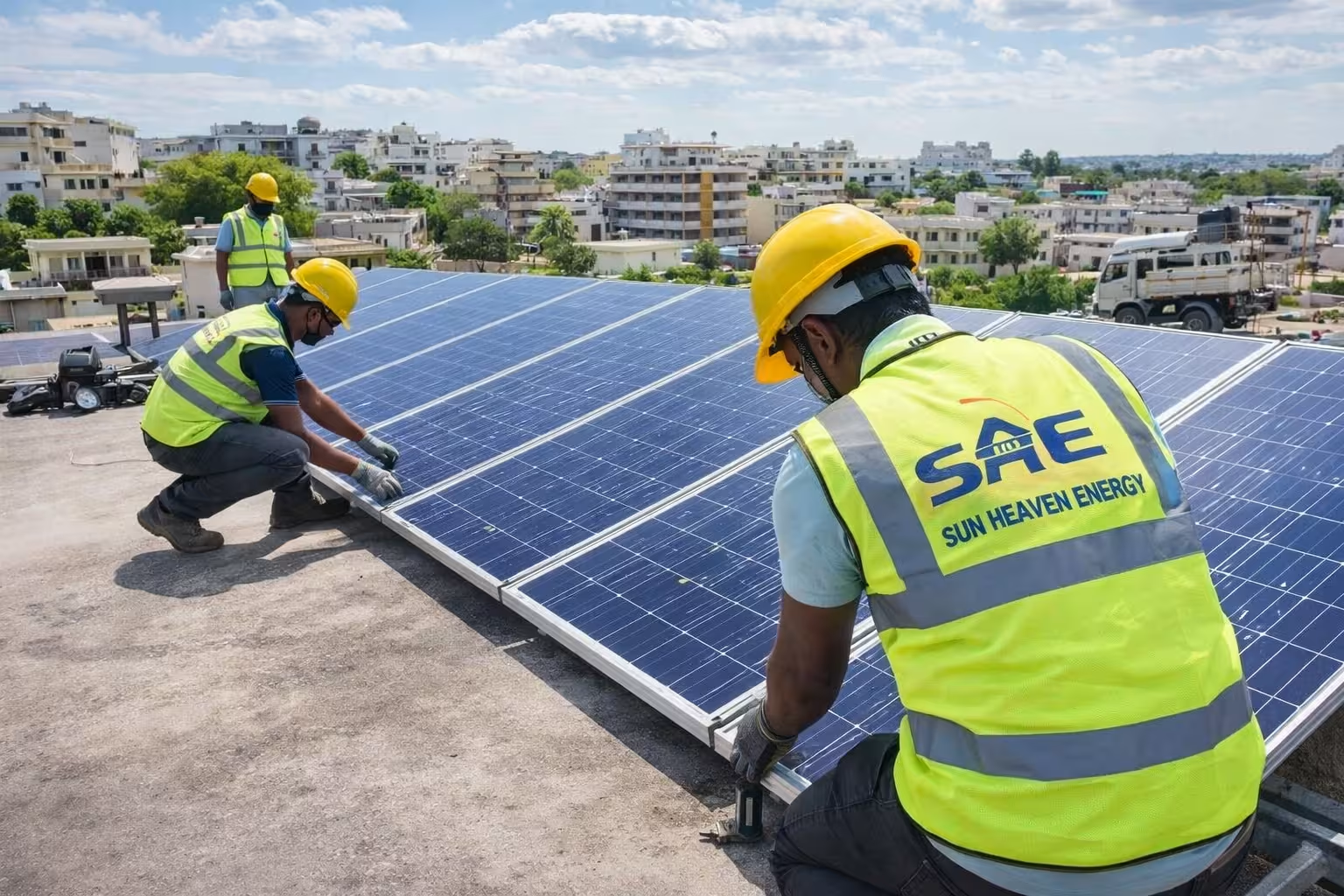
The solar panel installation process in Indore follows a structured technical workflow that starts from rooftop inspection and ends with system commissioning. Many property owners think installation is just panel fitting, but in reality it involves planning, design, approvals and electrical integration. Understanding this process helps homeowners know what happens after they decide to move ahead with solar.
If you are researching how to install solar panels at home, the process is usually handled by professional installers rather than DIY installation because safety and approvals are involved. A proper solar panel setup ensures the system generates expected electricity and performs reliably for years.
If you want to understand the complete planning aspect, you can also refer to our detailed solar planning guide (internal link to pillar article).
Step by Step Solar Panel Installation Process in Indore
Solar installation does not happen in a single step. It is done in technical stages to ensure proper system performance, safety and regulatory compliance. Below is the practical flow followed in most professional installations.
Site Survey and Feasibility Check
The first step in the solar panel installation process is a detailed rooftop survey. During this stage, installers check:
- Available rooftop space
- Sunlight exposure
- Shadow impact from nearby buildings
- Electricity consumption from past bills
Structural safety is also checked to ensure the roof can handle the mounting structure and panels. This stage is important because a correct feasibility study prevents wrong system sizing and performance issues later.
System Design and Proposal Finalisation
After the survey, the next step is system design. Based on electricity consumption and rooftop conditions, installers decide:
- System capacity
- Panel selection
- Inverter type
- Mounting structure
At this stage, generation estimates and expected savings are usually calculated. This helps homeowners understand how the proposed solar panel setup will perform and what bill reduction they can expect. Once technical details are agreed upon, the installation plan is finalised.
Government Approvals and Net Metering Application
Before physical installation starts, necessary approvals are initiated. In Indore, this usually involves documentation submission to the electricity distribution company for grid connected systems.
The net metering process is also initiated during this stage. Net metering allows excess electricity generated by your system to be sent back to the grid.
This step ensures your solar panel setup operates legally and integrates properly with the electricity network.
Installation of Solar Panels and Electrical Components
Once approvals are in progress or completed, the physical installation begins. This stage involves:
- Fixing the mounting structure
- Solar panel placement
- Maintaining correct tilt and orientation
- Inverter installation
- Electrical wiring connections
After panel installation, the inverter is installed and connected. Electrical wiring is completed between panels, inverter and main distribution board.
This part of the solar panel installation process requires professional handling because safety standards must be followed.
This is usually the fastest stage and can often be completed within a few days depending on system size.
Testing and Commissioning
After installation, the system is tested before activation. Installers check:
- Voltage levels
- Inverter performance
- Safety protections
Once testing is complete, the system is connected to the grid and activated. Generation monitoring is also configured so homeowners can track electricity production.
This is the final stage of how to install solar panels from a professional installation perspective.
What Happens After Solar Installation?
After installation, the system starts generating electricity automatically once it is connected and commissioned. Most modern systems require very little daily attention from the homeowner.
Key things to expect:
- System starts generating electricity from day one
- Generation data visible on inverter or monitoring app
- Regular cleaning improves generation efficiency
- Monitoring helps identify performance issues
- Very low maintenance due to no moving parts
- Periodic inspection ensures long term performance
- Installer service support available if needed
A properly installed solar panel setup typically runs smoothly for many years with minimal intervention.
Conclusion
The solar panel installation process in Indore follows a defined engineering workflow starting from feasibility assessment to final system commissioning. Each stage, including site survey, system design, approvals and installation, directly affects how efficiently your system will generate electricity over the next 25 years.
From a practical point of view, the success of a solar panel setup depends more on correct sizing, proper installation standards and electrical safety compliance than just the panels themselves. This is why choosing experienced installers and understanding how to install solar panels correctly is important for long term performance.
In simple terms, a well planned installation ensures stable generation, lower electricity dependence and predictable energy costs, making solar a technical infrastructure upgrade rather than just a home improvement decision.
Frequently Asked Questions
1. How long does the solar panel installation process take in Indore?
The physical installation usually takes only 1 to 3 days depending on system size. However, the complete process including survey, design and approvals may take a few weeks. The timeline mostly depends on documentation and net metering approval from the electricity department.
2. Can solar panels be installed on any type of roof?
Solar panels can be installed on most RCC and metal sheet rooftops if they are structurally strong and receive proper sunlight. During the survey stage, installers check roof strength, direction and shadow impact before confirming feasibility.
3. Do I need government permission before installing solar panels?
Yes, for grid connected systems, documentation and approvals are required before final commissioning. This usually includes net metering application and electricity department compliance checks. Professional installers generally handle this process.
4. Can I install solar panels myself at home?
Technically possible but not recommended. A proper solar panel setup requires electrical integration, safety protections and regulatory approvals. Incorrect installation can affect performance and safety.
Most homeowners therefore prefer professional installers instead of DIY installation.
5. What maintenance is required after solar installation?
Solar systems require minimal maintenance because there are no moving parts. Basic cleaning to remove dust and occasional inspection is usually enough.
Most users report that proper installation reduces the need for frequent maintenance.
6. How do I ensure the solar installation process is done correctly?
The best way is to choose an installer who follows proper technical steps like:
- Site feasibility study
- Correct system sizing
- Safety compliant installation
Companies like Sunheaven Energy focus on structured installation practices which help ensure the system performs as expected.
7. Does Sunheaven Energy handle the complete solar installation process?
Yes, experienced solar companies usually manage everything from survey and design to approvals and commissioning. Installers like Sunheaven Energy typically guide homeowners through the full solar panel installation process, making it easier for first time solar buyers to transition smoothly.